 admin
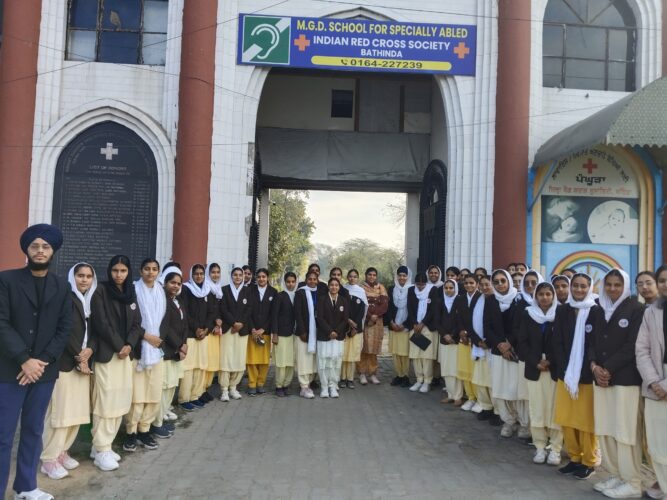
adminInclusive education is best understood not only through textbooks but through real human experiences. Keeping this vision alive, students of B.A. B.Ed. and B.Sc. B.Ed. Semester VI from the Department of Education, Akal University, Talwandi Sabo, undertook an enriching educational visit to the Gurbanta Das Deaf and Dumb School, Bathinda, on 30 January 2026 under their Community Living Programme. The visit aimed to deepen their understanding of learner diversity and inclusive classroom practices.
Objective of the Visit – Understanding Inclusive Education in Practice
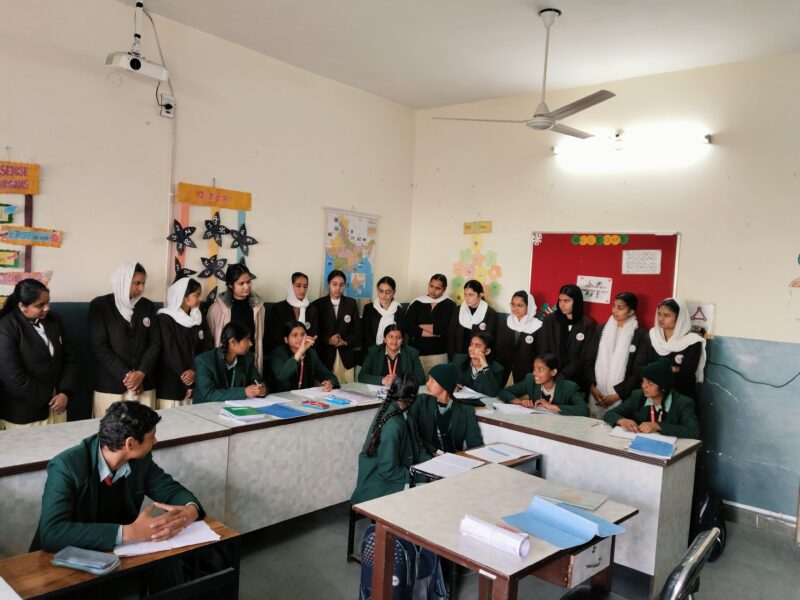
The primary goal of the visit was to provide practical exposure to special and inclusive education. Instead of observing from a distance, future educators actively explored how children with disabilities learn, communicate, and grow in a supportive educational environment. The experience helped students recognize that disability does not define ability, and every learner has unique strengths.
Exploring Specialized Learning Facilities
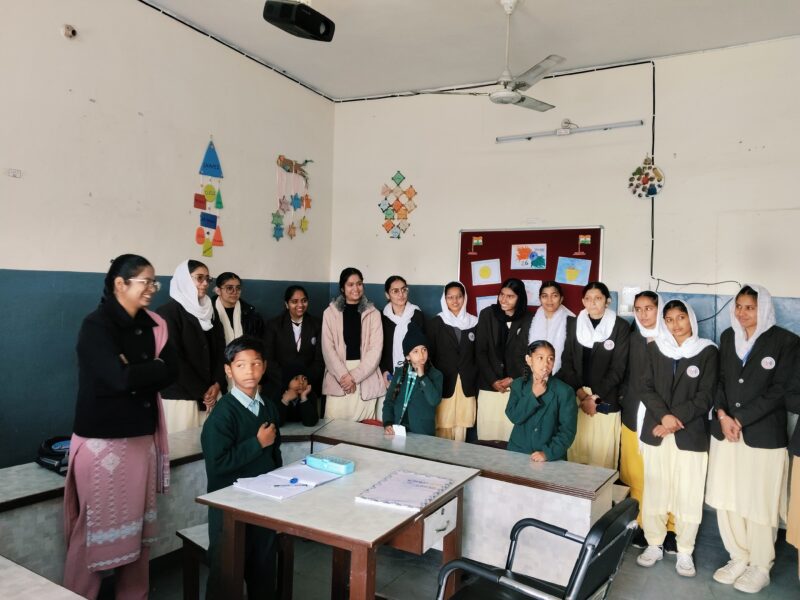
During the visit, students explored a wide range of skill-based and learner-friendly facilities, including:
- Computer Lab
- Vocational Education Lab (Tailoring)
- Printing Press Lab
- Science Lab
- Activity-Based Learning Room
These facilities highlighted the importance of hands-on learning, vocational training, and activity-oriented education in empowering differently-abled learners and preparing them for independent living.
Interactive Learning with Differently-Abled Students and Educators
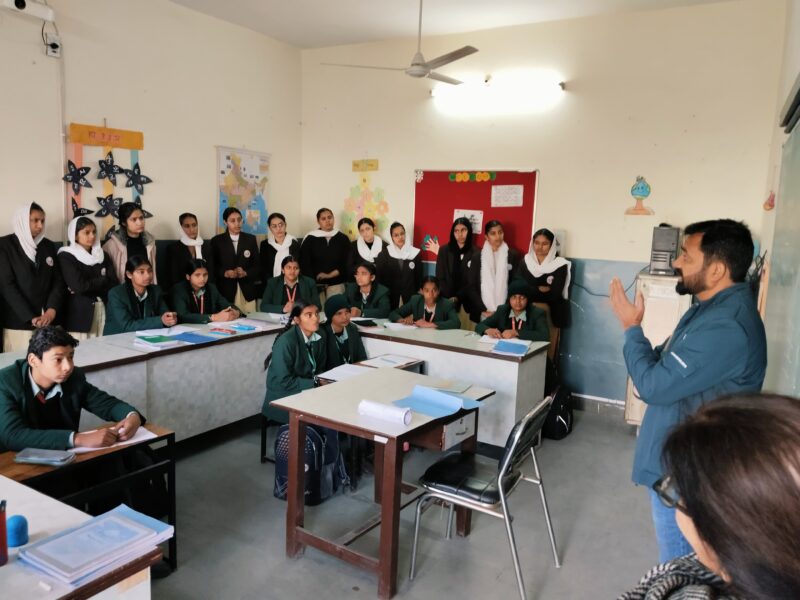
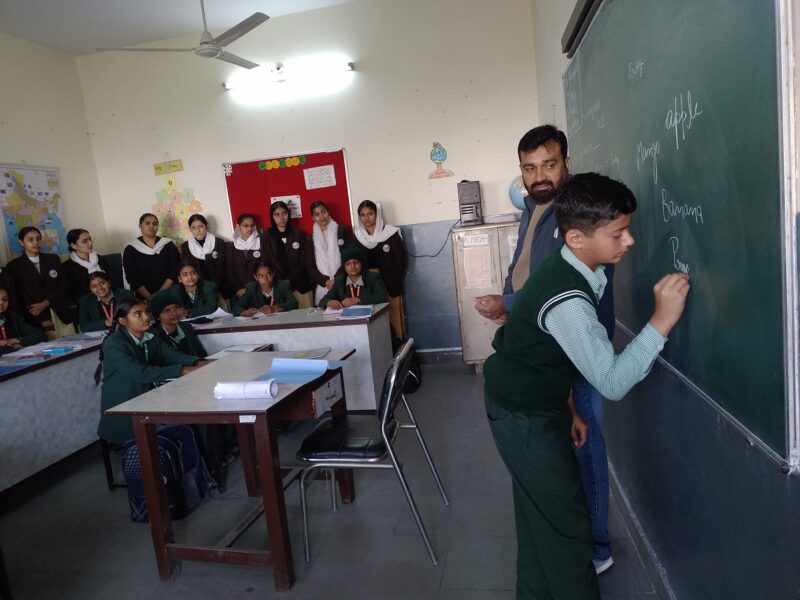
One of the most impactful moments of the visit was the interactive session with students and teachers of the Deaf and Dumb School. Through direct engagement, pupil teachers observed:
- Specialized teaching methodologies
- Inclusive classroom management techniques
- Support systems designed for special learners
- Communication strategies used in special education
This interaction fostered empathy, awareness, and professional confidence among future teachers.
Bridging Theory with Reality
The visit successfully connected theoretical concepts of inclusive education with real-life classroom practices. Students gained clarity on identifying learner diversity, addressing individual educational needs, and creating inclusive environments where every child feels valued and capable.
Shaping Inclusive Educators of Tomorrow
The educational visit proved to be highly informative, inspiring, and transformative. It strengthened the commitment of future educators toward inclusive education and reinforced the belief that with the right guidance, infrastructure, and compassion, every learner can thrive. Such initiatives by Akal University, Talwandi Sabo, play a crucial role in shaping socially responsible and inclusive teachers for the future.







Add comment